

Welcome to the beginning of a clean new industrial era.
Powered by Coolbrook RotoDynamic Technology.
Electric high-temperature process heat for cement, iron and steel, aluminum and petrochemicals.
What we do
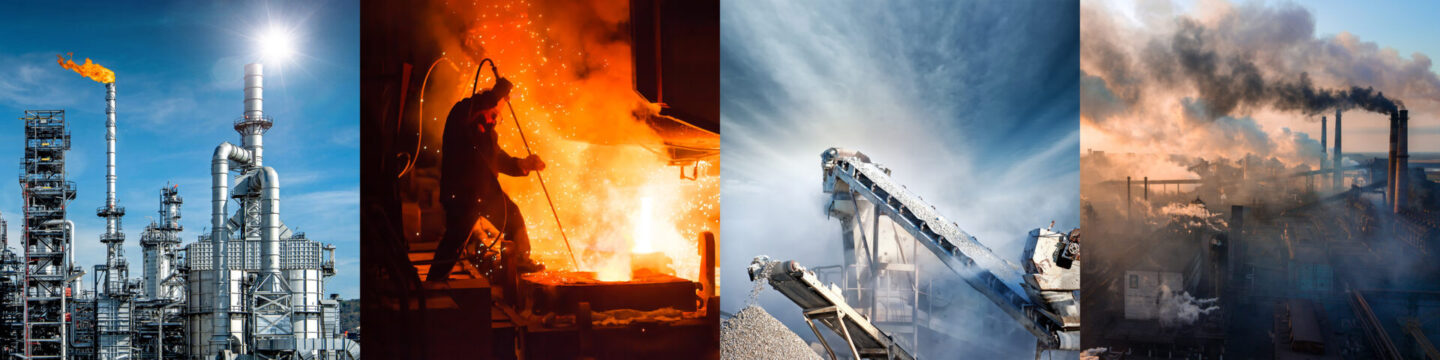
Coolbrook’s patented RotoDynamic Technology replaces fossil-fuel combustion in the hottest steps of industrial production with clean electricity. At full deployment it can cut up to 2.4 Gt of CO₂ a year – about 7% of global emissions.
RotoDynamic Heater™ (RDH) – Commercially available today and first unit in delivery. Designed for outlet temperatures up to 1,700 °C and demonstrated above 1,000 °C at MW scale over more than 5,000 pilot operating hours. Electric heat for kilns, furnaces, dryers and preheaters.
RotoDynamic Reactor™ (RDR) – In pilot stage and commercial launch targeted from 2029. Electric steam cracking that removes fuel-combustion CO₂ from olefin production when powered by renewable electricity, with 10+% increase in ethylene and propylene yield.
Why electrify
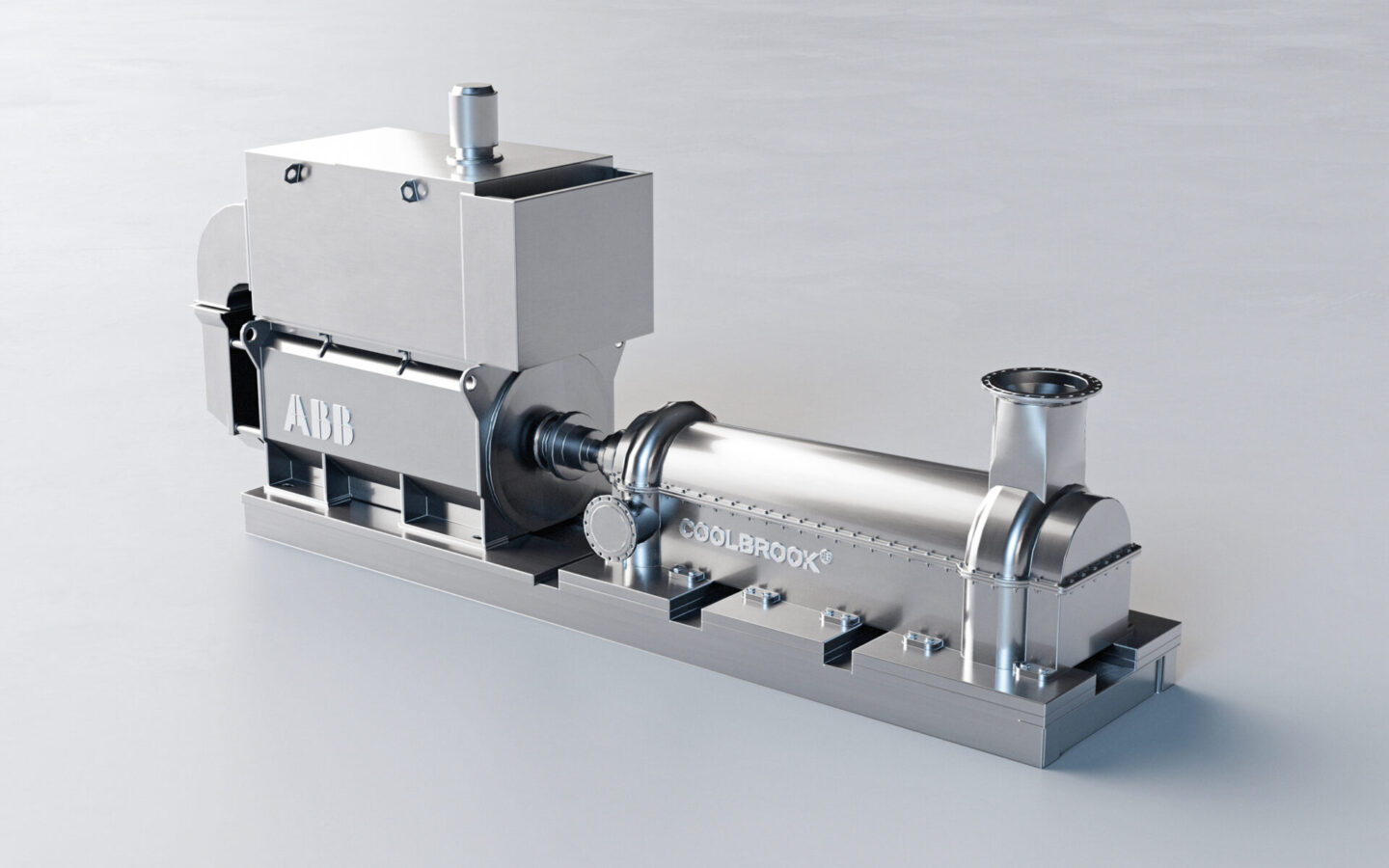
Coolbrook’s RotoDynamic Technology electrifies industrial processes that have long been considered almost impossible to electrify. RDH is designed for up to 1,700 °C and has already run above 1,000 °C at MW scale – hard-to-abate becomes possible-to-abate.
Electrification of heavy industrial processes across hard-to-abate sectors is the key to achieving the required emission reductions and to speeding up the transition to net zero.
For most high-temperature heating duties, direct electrification with clean electricity is the most energy- and cost-efficient route to zero-carbon production.
How it works
From clean electricity to low-carbon products
01 Clean electricity
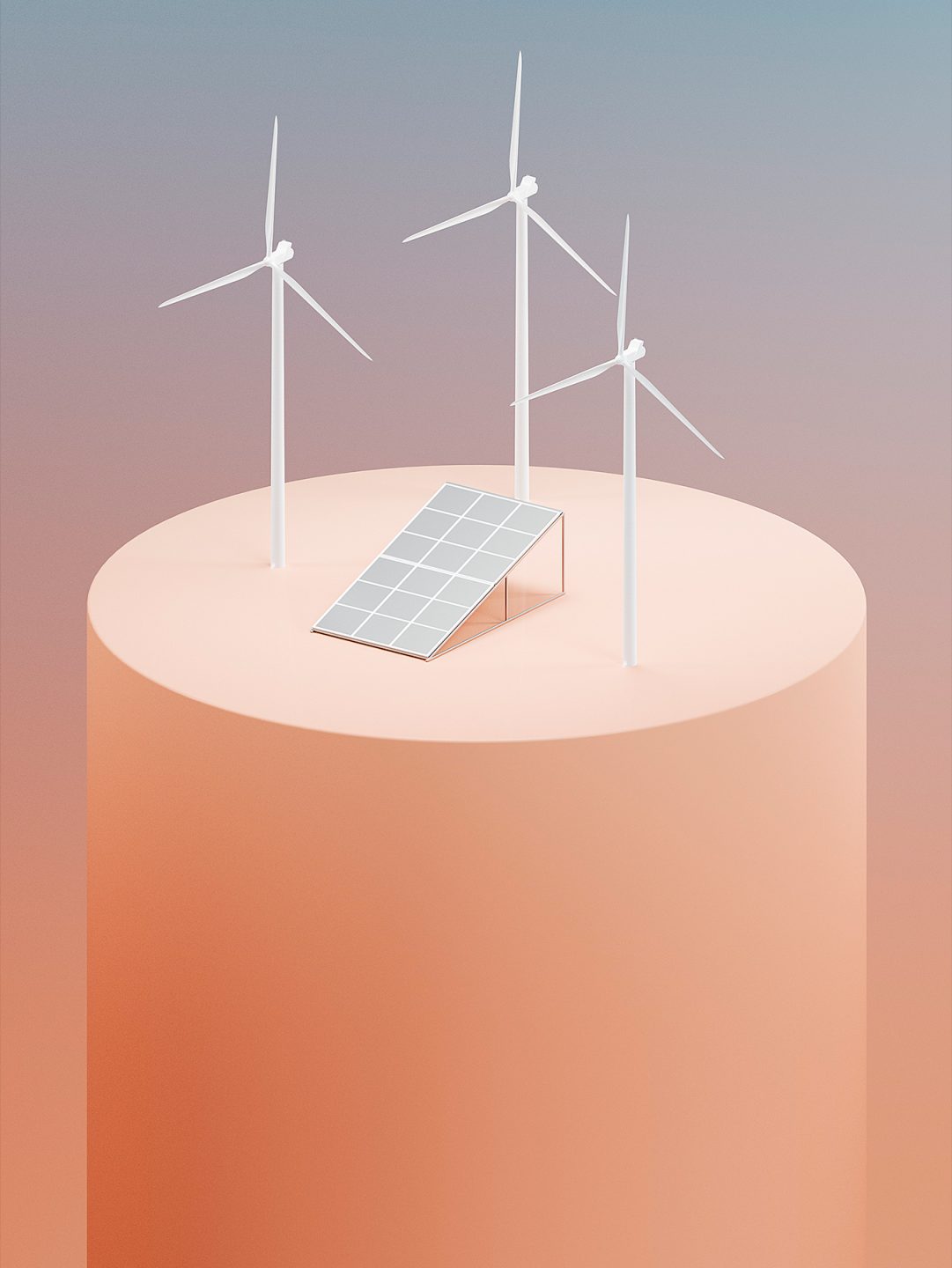
Renewable energy FROM WIND, solar and hydro replaces fossil fuels.
02 RotoDynamic heating
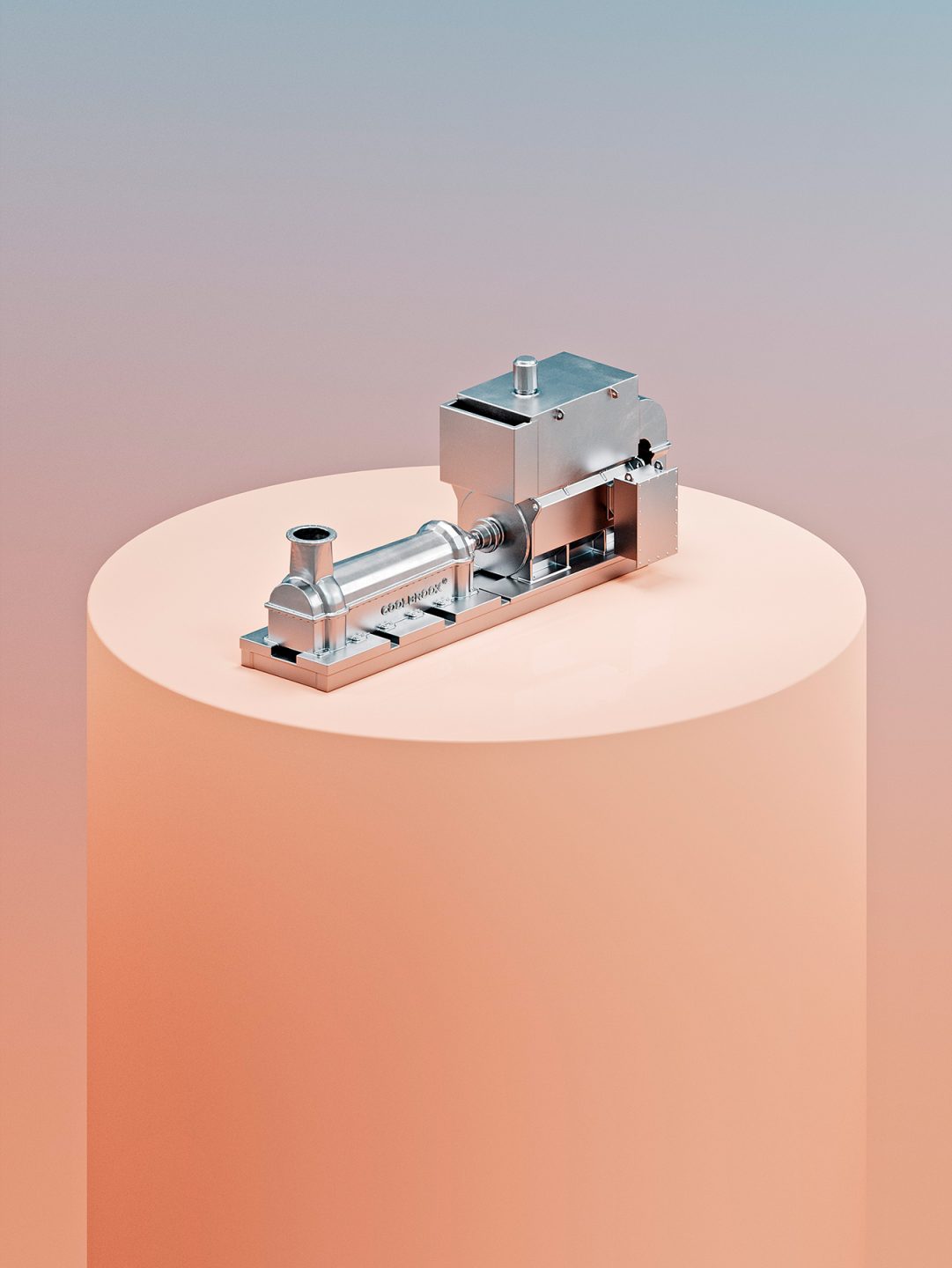
Renewable energy powers the RotoDynamic Technology with potential to heat up to 1,700 °C.
03 Low-carbon products
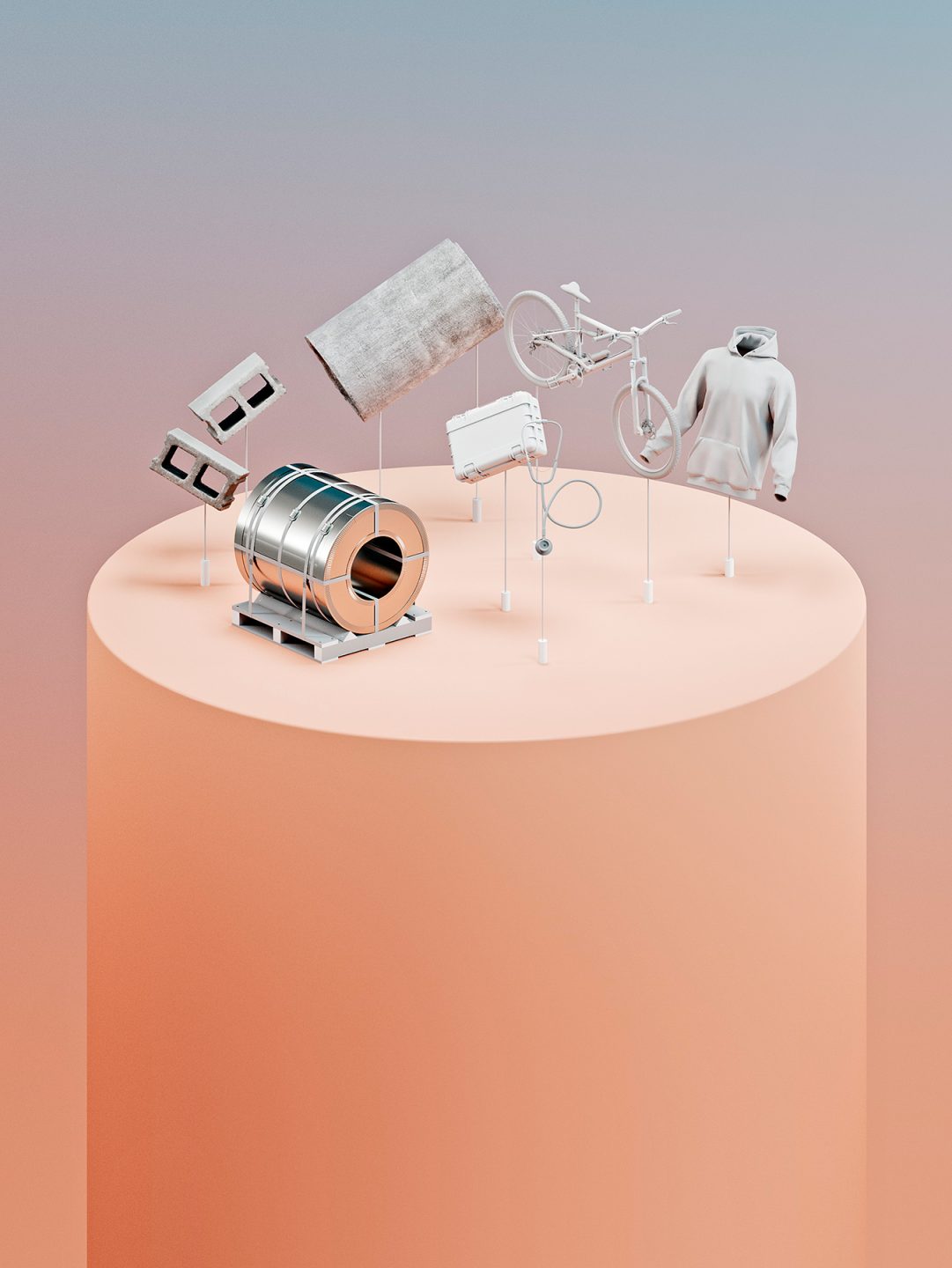
The products and materials produced with Coolbrook technology carry a substantially lighter CO2 footprint.
For industries
Electrifying the hard-to-abate industries
Cement, steel, aluminum and petrochemical plants burn fossil fuels to reach the temperatures their processes need – a large share of their CO₂ emissions. RDH replaces that combustion with clean electricity in dryers, kilns, calciners, furnaces and preheaters. RDR does the same for steam cracking. Choose your industry to see where it fits in your process.
Cement

FIRST UNIT IN DELIVERY
Electric heat for raw-material and alternative fuel drying, clay calcination and precalciners.
Iron and Steel
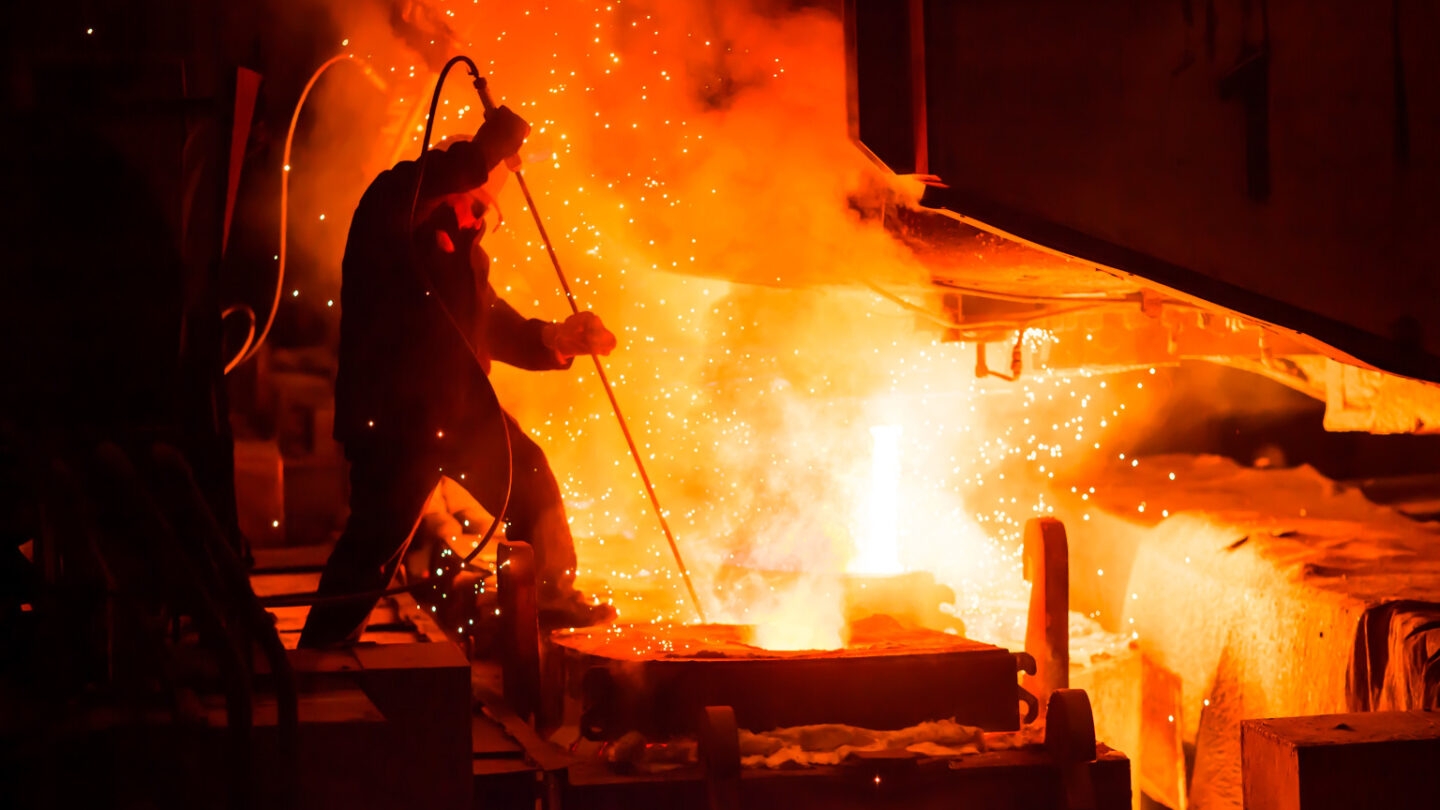
RDH Available
Electric preheating for scrap, hot stove air and DRI reduction gas, and reheating furnaces.
Aluminum
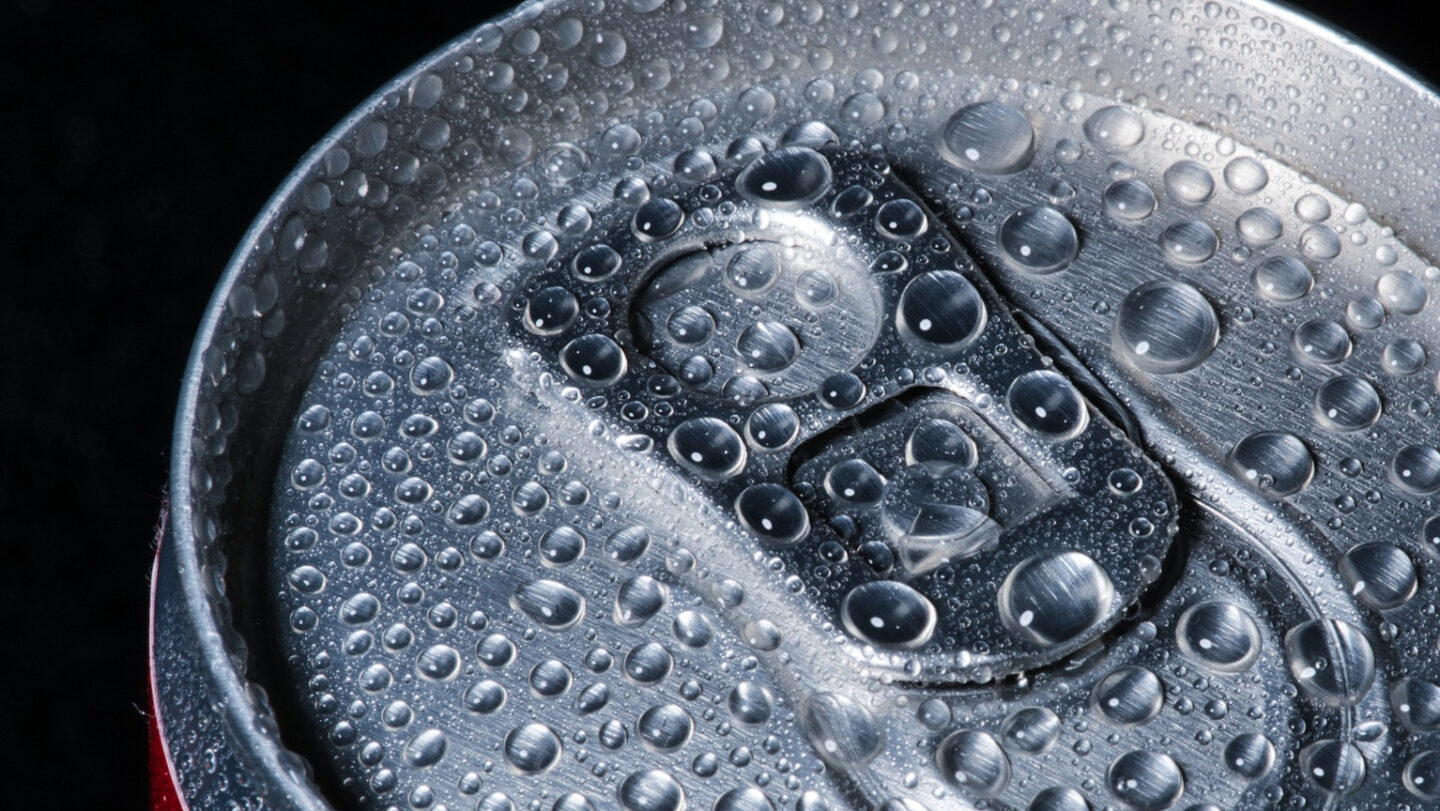
RDH Available
Electric heat for reheating, heat treatment and calciner air preheating.
Petrochemicals

RDH AVAILABLE, RDR FROM 2029
Electric steam cracking with RDR and electric feed preheating with RDH.
Built with industry leaders
We work with the world leading industrial producers, technology companies and academic partners to develop RotoDynamic Technology and bring it to industrial scale quickly and broadly.
Our partner customers include Ambuja Cements (part of Adani Group), our first commercial customer, together with CEMEX, UltraTech Cement, JSW Group, ArcelorMittal, Shell, Braskem, and SABIC.
Our technology and manufacturing partners include ABB, Linde Engineering, Schmidtsche Schack, Tenova, Doncasters, Trac Precision Solutions and Turbostream.
We also partner with the world leading universities, including Ghent University, University of Oxford, University of Cambridge.
We also work with Netherlands Enterprise Agency, Business Finland, Climate Leadership Coalition CLC and Brightlands Chemelot Campus.
We share the sense of urgency with our partners and customers for cutting CO2 emissions across various industries and believe that together we can create the positive change the world needs.
From pilot to delivery
From MW-scale pilot to first commercial delivery
Since December 2022 we have run RDH and RDR at our pilot plant at Brightlands Chemelot Campus in Geleen, the Netherlands: more than 5,000 operating hours, temperatures above 1,000 °C, and naphtha, hexane and pyrolysis oil cracked. Our first commercial project is in delivery, and the next generation of RDH is in development.
2021 – 2025
- Establishment of strong patent portfolio
- Successful pilot program at Coolbrook’s test facility in Brightlands Chemelot Campus for RDH™ and RDR™ with more than 5,000 operating hours to date:
- Temperatures of above 1,000°C reached (RDH)
- Naphtha, hexane, and pyrolysis oil successfully cracked (RDR™)
- Establishment of a wide partner network of world-leading universities, customers, and technology partners
- Development of the first commercial industrial product (RDH™)
- Signing of the first commercial delivery contract
2026 – 2028
- Delivery of the first commercial project
- Further customer orders for follow-on projects across target industries:
- Cement
- Iron and Steel
- Aluminum
- Petrochemicals
- Further expansion of the partner network with world-leading technology partners
- RDH™ and RDR™ part of electrification technology offering of key suppliers and EPC companies
- Development of core technological features for:
- High-temperature RDH™
- First commercial RDR™
2029 →
- High number of commercial deliveries to customers across target industries
- Expansion to new use cases requiring higher temperatures and power levels
- Continued partnerships within a network of globally leading industry players and decarbonization actors in different sectors
- Launch of the next generation products:
- High-temperature RDH™ capable of reaching temperatures of 1,400 °C (and ultimately 1,700 °C)
- First commercial RDR™ to decarbonize ethylene production at scale
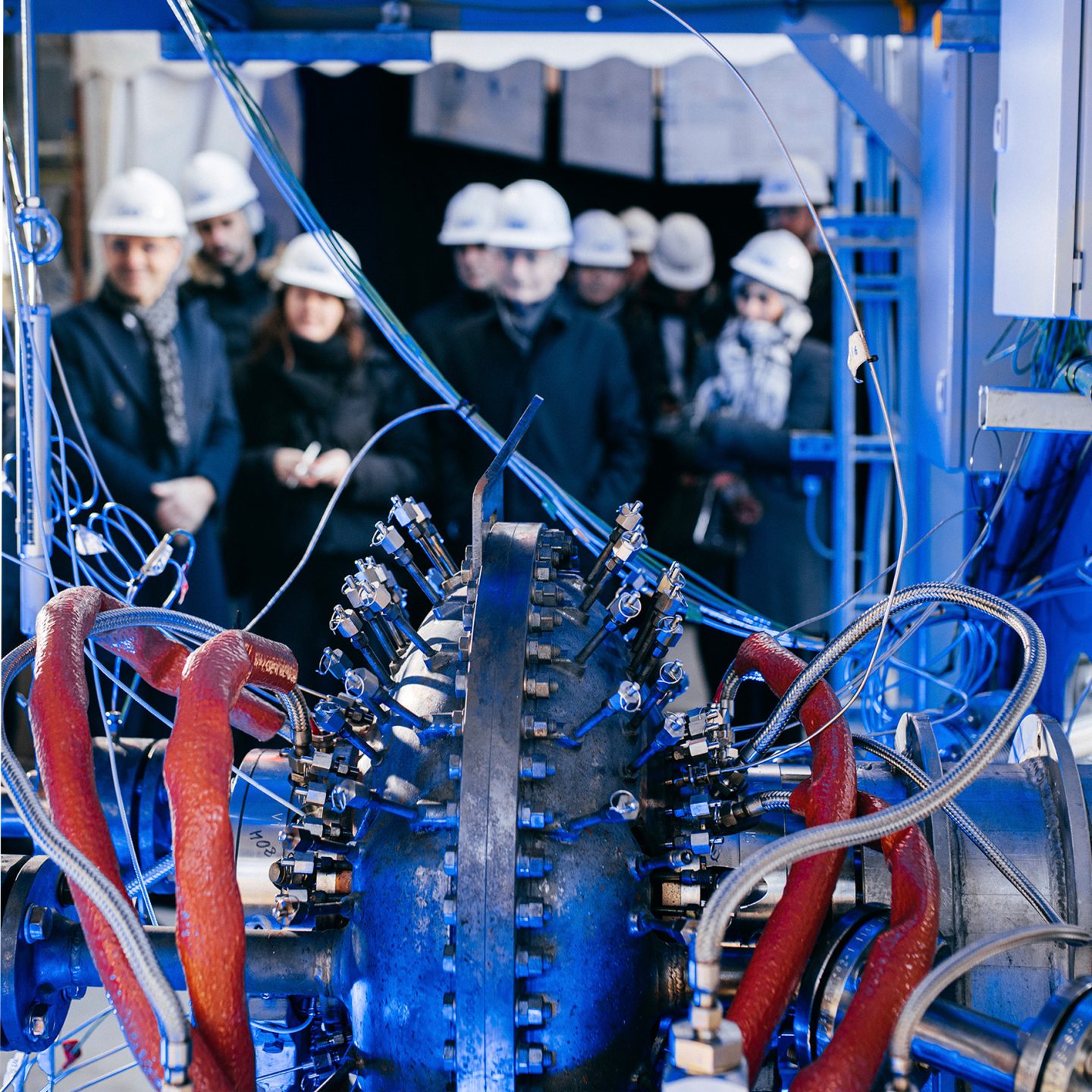
What the pilot has shown
- More than 5,000 operating hours with RDH and RDR
- RDH: Multitude of gases (air, nitrogen, steam, methane, helium, CO2) heated above 1,000 °C
- RDR: Hexane, naphtha and plastic-waste pyrolysis oil cracked
- Modelling and design parameters validated – the basis for the first commercial unit
Press Releases & News
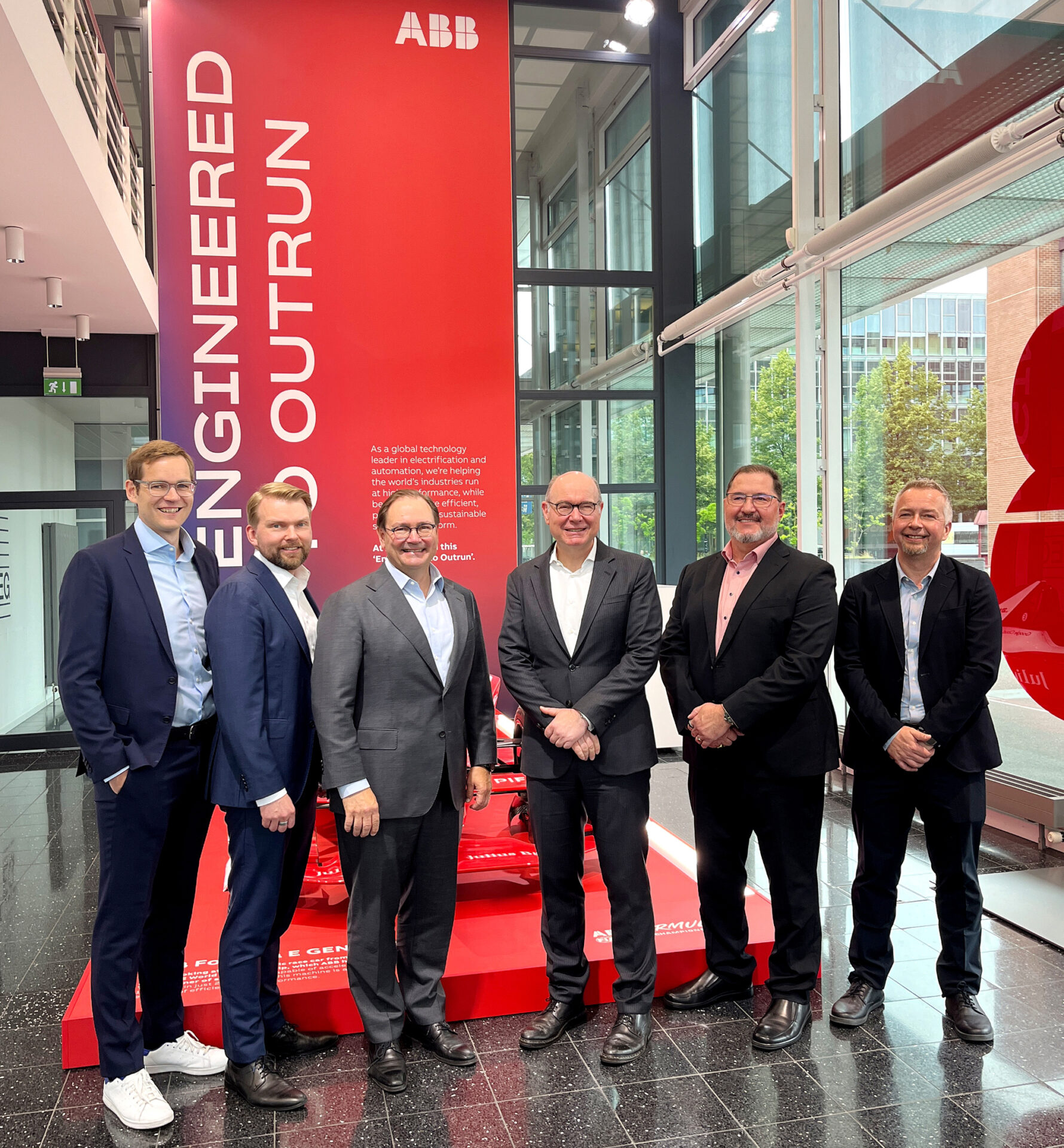
Coolbrook and ABB Partnership Advances to Industrial Delivery Phase of RotoDynamic Heater technology to Adani Cement

Coolbrook wins Reuters Events: Global Energy Awards 2026 Technologies of Change – Pioneering Decarbonisation Award